February 2, 2026
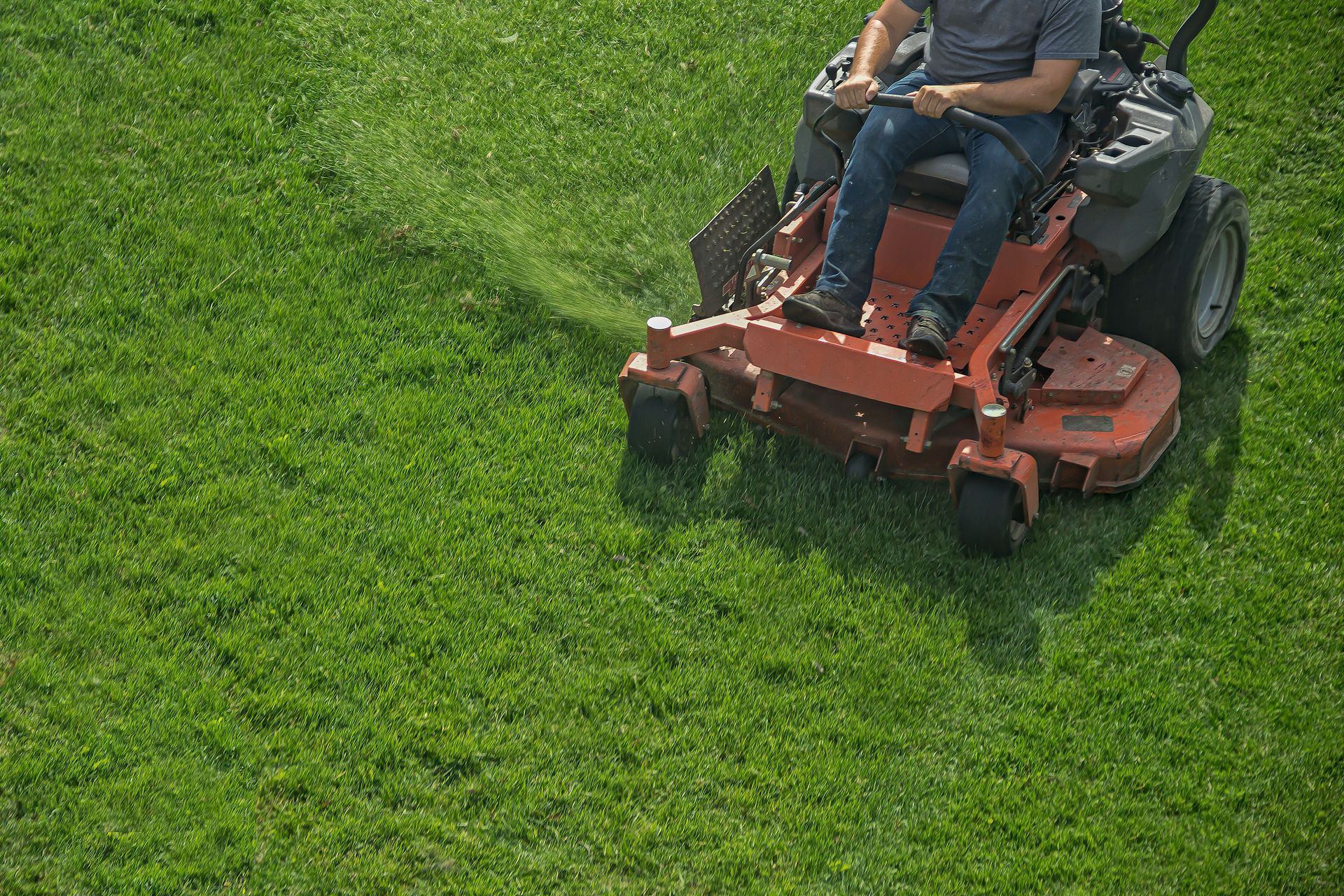
Proper maintenance of commercial lawn mowers is critical to ensure longevity and efficient performance. Maintaining a well-functioning lawn mower not only enhances efficiency but also maximizes business profitability. With the lawn mower market expected to reach a value of $48.6 billion by 2030, according to Grand View Research, staying informed on maintenance practices is more relevant than ever.
Understanding Your Lawn Mower's Mechanics
Review the User Manual
Read through the user manual for an in-depth understanding of your specific mower's features and maintenance recommendations. Understanding the specifications and guidelines provided by the manufacturer aids significantly in proper maintenance. Manuals often include detailed information about parts that may require regular attention and potential issues to watch for. Remember, the manufacturer's insights are invaluable for maintaining your mower effectively.
Identify Key Components
Learn about critical parts such as the engine, blades, deck, and more to better perform maintenance tasks. Recognizing these components is essential for diagnosing issues and conducting repairs. Regular inspection of these parts can help in identifying wear and tear early, preventing significant damage. By understanding how these components work together, you can maintain overall mower health and troubleshoot effectively. Keep a checklist of key components for regular checks and maintenance.
Explore Safety Features
Review safety features to ensure maintenance is conducted safely, minimizing the risk of injury or damage. Knowing the safety mechanisms helps in preventing misuse and accidents that could void warranties. Implementing proper safety measures also prevents harm to operators, especially during maintenance. Educating all team members on these safety features is paramount for a secure working environment.
Routine Maintenance Practices
Regular Inspection Routine
Establish a regular inspection schedule to identify and address potential issues early. Systematic inspections help in highlighting risks that might jeopardize lawn mower performance. Regular checks ensure all moving parts are clean, lubricated, and functioning correctly. These inspections are also foundational in preventing wider mechanical failures. Emphasizing routine checks keeps your equipment reliable and prolongs its lifespan.
Consistent Cleaning After Use
Thoroughly clean the mower after using it to prevent debris buildup and corrosion. Accumulated grass particles and dirt can impede performance and lead to unnecessary wear. Regular cleaning aids in keeping the machine in perfect condition, reducing the likelihood of rust. This simple, post-use maintenance task has a significant impact on mower efficiency. Maintaining a clean mower also promotes workplace safety by preventing fires and other hazards.
Scheduled Blade Sharpening
Regularly sharpening the mower's blades ensures efficient cutting and reduces engine strain. Dull blades tear rather than cut grass, which can damage turf. Sharpened blades reduce the time and energy needed to mow, which can lower fuel consumption and costs. Blades should be checked for sharpness at least once a month or more frequently during heavy use periods. Consistent sharpening extends blade life and maintains mowing quality.
Seasonal Maintenance Checks
Prepare for Seasonal Storage
Proper storage preparation ensures the mower is protected during off-seasons. Preparing mowers for storage prevents moisture, which can degrade components over time. Draining fuel, cleaning, and covering mowers are basic storage steps that prolong life. Ensure all systems are lubed, and batteries are removed before storage to prevent degradation. Strategic storage protocols improve resilience and reliability after long periods without use.
Change Oil Regularly
Change oil at seasonal intervals as recommended by the manufacturer for optimal performance. Clean oil aids in consistent engine performance and prevents overheating. Regularly changing oil ensures the mower remains in peak condition, optimizing functionality. Old oil can become sludgy and ineffective, risking engine damage. Observing the manufacturer's schedule for oil changes is crucial for extending engine lifespan.
Stabilize the Fuel
Add a fuel stabilizer to the tank during off-seasons to prevent fuel degradation and engine issues. Untreated fuel can lead to starting problems and reduced performance upon reuse. Stabilizing fuel keeps it fresh, reducing varnishing and clogging in the system. This small maintenance task has big implications for fuel efficiency and engine operation. Regular fuel stabilization doubles as a preventive measure to avoid costly engine repairs.
Troubleshooting Common Issues
Addressing Engine Starting Problems
Identify and fix issues causing difficulty in starting the mower's engine. Starting problems can stem from several reasons: fuel issues, battery problems, or electrical faults. Troubleshoot by checking fuel levels, filter condition, and battery charge. If the issue persists, consider consulting a professional technician. Early diagnosis and repair minimize downtime and errant repairs.
Diagnosing Uneven Cutting
Explore reasons behind uneven cutting, from blade issues to deck alignment. Uneven cuts may indicate blade imbalance, dullness, or deck misalignment. By addressing these troubles, operators can ensure aesthetically pleasing, lush lawns. Regular blade maintenance and deck checks prevent irregular grass cutting. Prompt troubleshooting maintains consistent quality and validates service dependability.
Handling Unusual Noises
Recognize and resolve causes of unfamiliar sounds during mower operation. Strange noises often signal mechanical problems, requiring immediate attention. Inspection of belts, blades, and engine mounts often reveals underlying causes. Timely repairs help avoid major issues stemming from neglected minor irregularities. Silence is golden; ensure your mower operates smoothly and silently.
Upgrading and Retrofitting Your Mower
Considering Technological Upgrades
Explore technological advancements that could enhance mower performance. From GPS technology to electric power trains, advancements exist to improve productivity and sustainability. Upgrades can lead to improved efficiency, reduced emissions, and enhanced user convenience. With the lawn mower market predicted to continue growing, incorporating innovative solutions is becoming crucial.
Enhancing the Engine
Evaluate opportunities for upgrading the engine and powertrain of your commercial lawn mower for improved reliability. Newer engines offer increased fuel efficiency, lower emissions, and advanced technology integration. Retrofitted power trains can optimize torque, efficiency, and noise reduction. Investing in upgraded powertrain systems can extend machine lifespan and offer a competitive advantage. Thorough research ensures cost-effective improvements aligned with modern standards.
Modifying the Blade and Deck
Consider updating blades and deck to handle tougher terrains and enhance cutting efficiency. New blade designs offer superior cutting capabilities, even for resilient grasses. Enhanced decks allow smoother, more uniform cuts by managing airflow and grass discharge. By upgrading these components, operators can significantly impact overall mower performance. Retrofitting with advanced features fosters better adaptability and service quality.
Professional Maintenance Services
Exploring When to Seek Professional Help
Identify scenarios when professional maintenance services could be more beneficial than DIY. Complex mechanical issues, lack of specialized tools, or time constraints may necessitate expert intervention. Professionals ensure repairs maintain warranty validity and use genuine parts. Seasoned technicians ascertain thoroughness and accuracy, reducing potential further complications. Knowing when expertise is needed protects investment and minimizes disruption.
Selecting a Qualified Service Provider
Discover the criteria for choosing reliable and qualified commercial lawn mower service professionals. Look for certifications, customer reviews, and response times to gauge potential providers. Identifying service specialties, such as types of mowers or brands, ensures compatibility. Consider logistics, geographical proximity, and terms of service contracts for loss minimization. A carefully chosen provider ensures sustained performance and optimizes maintenance costs.
Evaluating Service Costs
Understand typical service costs and assess budget requirements for professional maintenance for your commercial lawn mower. Service pricing must include labor, transportation, parts, and overhead to provide comprehensive estimates. Comparing quotations from multiple service centers aids in fair cost analysis. Cost evaluations should weigh long-term savings over remedial expenses.
Regular and informed maintenance of commercial lawn mowers can dramatically extend their usable life and improve performance. By applying these tips, owners can reduce operational costs, minimize equipment downtime, and ensure a dependable mowing experience. If you're looking for a reliable provider of commercial lawn mower sales, service, and repairs, our team at Yulee Trailers & Mowers is ready to help. Contact us today to get started working together.